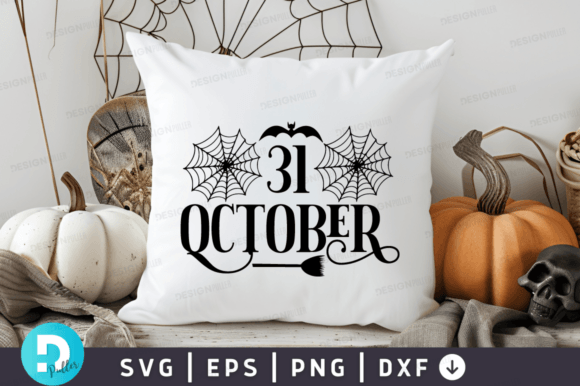
31 October SVG Design: Halloween Graphics for Crafts & Creative Projects
First Impression: A Playful, Seasonal Graphic Design Asset with Clear Intent
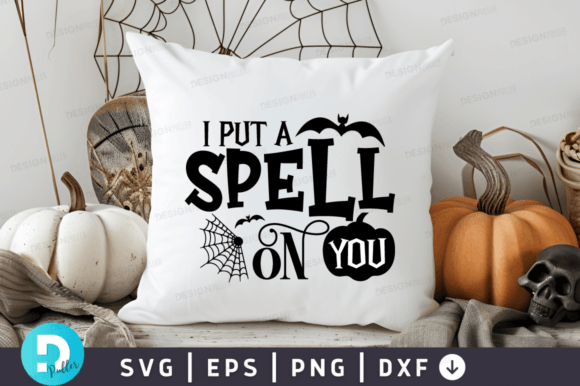
When I opened 31 October SVG Design, I immediately sensed its purpose—not as a neutral vector element, but as a mood-setter. It’s not minimalist or abstract; it’s intentionally festive, slightly whimsical, and rooted in classic Halloween visual language—think stylized typography with subtle glyphs, balanced negative space, and confident line weight. As a graphic designer reviewing assets for real client work, I asked: Does this feel like something I’d confidently drop into a boutique brand’s seasonal campaign? The answer is yes—if the brand embraces warmth, handmade charm, and audience-friendly spookiness.
Fits Naturally Into These Real Client Scenarios
- A local candle shop launching a “Midnight Harvest” limited-edition collection—31 October SVG Design works beautifully on product labels, Instagram story banners, and printable gift tags.
- An Etsy seller curating a Halloween-themed digital product bundle—this asset adds cohesion across stickers, Canva templates, and printable wall art without requiring heavy editing.
- A print-on-demand store building a seasonal t-shirt line—its clean vector structure holds up flawlessly at scale, whether printed on toddler tees or oversized hoodies.
- A small business owner preparing for a community fall festival—using it on flyers, tote bags, and event signage creates instant thematic recognition without sacrificing legibility.
Where It Shines: Practical Applications Across Media
In packaging design, 31 October SVG Design functions best as a hero graphic or decorative accent—centered on a mug mockup, wrapped around a candle jar label, or scaled large behind hand-lettered copy. For social media graphics, it anchors Pinterest pins and Instagram carousels with strong seasonal signaling. As a sticker design or sublimation design, its crisp edges and intentional spacing prevent bleeding or distortion during production. When placed inside a Cricut project, it cuts cleanly on cardstock and vinyl alike—no jagged nodes or overlapping paths to troubleshoot.
It also supports brand identity development for lifestyle and handmade businesses—not as a logo (it’s too theme-specific), but as a recurring visual motif that reinforces seasonal messaging across touchpoints. Think of it as a supporting cast member: reliable, expressive, and easy to integrate alongside serif fonts for elegance or playful script fonts for contrast.
Where to Use It With Intention—Not Assumption
This isn’t a universal-fit graphic design asset. Avoid placing 31 October SVG Design in tight spaces like business card corners or app icons—it loses impact and risks visual clutter. Steer clear on complex backgrounds (e.g., busy photo overlays) unless you’ve tested contrast rigorously. It doesn’t suit corporate branding or professional service campaigns—its tone is celebratory, not authoritative.
Also, don’t assume it works out-of-the-box for minimalist branding. Its charm lies in personality, not restraint. If your client’s visual system relies on strict monochrome palettes and geometric precision, this may clash unless carefully adapted—say, by isolating one glyph or converting it to line art.
Design Judgment: Readability, Trust, and Emotional Resonance
Readability is strong at medium-to-large sizes, especially against high-contrast backgrounds. But I always test 31 October SVG Design in black-and-white first—some Halloween motifs rely on color cues that vanish in grayscale. On dark backgrounds, I check for halo effects in PNG versions and confirm SVG transparency renders cleanly. In editorial design or web design, it adds warmth without undermining hierarchy—provided it’s not competing with primary headlines.
What stands out is how it boosts emotional appeal and audience engagement. For a handmade business or small-batch brand, using this asset signals authenticity and seasonal awareness—key drivers for trust in creative marketplaces. It feels human-made, not algorithm-generated, which matters deeply when selling to discerning buyers on Etsy or through independent retailers.
Essential Designer Checks Before Client Use
- Preview at multiple sizes: Zoom in to inspect anchor points; zoom out to assess visual weight in context.
- Test on real mockups: Drop it onto a t-shirt, mug, and sticker template—not just a white canvas.
- Verify commercial license: Confirm usage rights cover print-on-demand, resale, and client deliverables—never assume.
- Compare font pairings: Try it beside sans serif (for balance), display fonts (for contrast), and handwritten styles (for layered texture).
- Check file integrity: Open the SVG in Illustrator or Affinity Designer—look for ungrouped layers, editable text (if needed), and embedded raster elements.
- Print-test: Run a sample on your preferred printer or vendor to assess ink spread, edge sharpness, and color fidelity.
Final Verdict: A Reliable, Mood-Driven Creative Marketplace Asset
31 October SVG Design isn’t groundbreaking—but it’s dependable, well-executed, and thoughtfully aligned with what small business owners and crafters actually need: a seasonal digital product that saves time without sacrificing quality. It performs consistently across merchandise, printable design, and marketing visuals, and its versatility makes it a smart addition to any design bundle focused on autumn themes.
If your client project leans into celebration, nostalgia, or handmade storytelling—and you’re building assets for real-world production—this is more than clipart. It’s a functional, emotionally intelligent illustration that helps turn seasonal energy into tangible, shareable, sellable design.