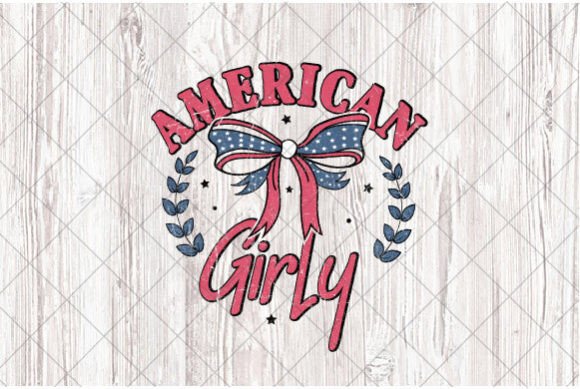
4th of July Coquette, American Cowgirl
First Impressions: Charm with a Kick
Opening the 4th of July Coquette, American Cowgirl files felt like unrolling a vintage bandana—playful, patriotic, and quietly confident. This isn’t just stars-and-stripes filler; it’s a character-driven machine embroidery design with cheeky western flair and intentional Americana charm. The layout balances bold silhouette (think wide-brimmed hat, ruffled skirt, star-spangled sash) with delicate details—tiny roses, stitched fringe, and subtle feather accents. It leans into coquette energy without sacrificing clarity, which is rare in holiday-themed graphics. As a designer who’s stitched hundreds of T-Shirt Designs for small shops and Etsy sellers, I immediately saw its sweet spot: boutique apparel, personalized gifts, and handmade products that want personality—not pageantry.
A Real-World Test: Embroidering a Summer Tote Bag
Last week, I prepped a natural canvas tote for a local farmer’s market pop-up—and chose 4th of July Coquette, American Cowgirl as the centerpiece. Why? Because customers respond to storytelling, not slogans. Stitched on the front panel at 4.2” wide (hoop size confirmed before loading), the design held up beautifully: satin stitch defined the hat brim and boot stitching, fill stitch gave body to the skirt without puffing, and running stitch added hand-drawn texture to the cactus motif tucked beside her boot. No thread breaks. No puckering. Just clean, confident embroidery that looked custom—not clip-art. Shoppers paused. Smiled. Asked, “Is that new?” That’s the quiet power of a well-balanced embroidery file: it elevates the finished product while feeling effortless to execute.
Where It Shines—and Where to Pause
4th of July Coquette, American Cowgirl excels on medium-weight fabrics: cotton sweatshirts, twill aprons, linen pillow covers, and structured tea towels. Its moderate stitch density makes it forgiving on textured surfaces, and the open negative space around the figure prevents overcrowding on curved items like baseball caps or baby onesies. For commercial embroidery, it’s ideal for holiday gift bundles—pair it with a mini embroidered patch version for a matching set.
That said, proceed thoughtfully with:
- Thin or stretchy fabric: Use cutaway stabilizer—not tear-away—to prevent distortion in the skirt’s layered ruffles.
- Dark backgrounds: Test thread colors first. The reds and blues pop best with high-contrast threads (e.g., navy on cream, kelly green on black). Avoid light pastels on dark fabric—they’ll mute the design’s vibrancy.
- Small hoop sizes under 4”: The tiny star details near her sash and the fine rose stems may lose definition. Resize proportionally—or choose the simplified version if your bundle includes alternate files.
- Frequent-wash items: Baby embroidery or kitchen towels benefit from slightly denser fill stitch in high-friction zones (like the hemline). A quick digitizing tweak takes 90 seconds and pays off in longevity.
More Than a Design—It’s a Brand Moment
As an embroidery product reviewer who works with craft businesses daily, I watch how designs shape perception. 4th of July Coquette, American Cowgirl reads as handmade, not mass-produced—even when stitched at scale. That authenticity builds customer trust. When an Etsy seller uses it on a limited-run sweatshirt line, buyers don’t just see a holiday graphic; they sense intention, wit, and care. It supports brand consistency for makers leaning into rustic-chic, southern charm, or modern-patriotic aesthetics. And for personalized gifts? It adds instant warmth—a baby blanket with her tiny cowboy boots stitched in soft pastel thread feels tender, not trite.
Practical Designer Notes You’ll Actually Use
Before you load 4th of July Coquette, American Cowgirl into your machine or list it in your shop:
- Test on scrap fabric first—especially if using textured weaves or blends. Note how the satin stitch flows over bumps or ridges.
- Review stitch density visually in your software. Dense areas (like the sash stripes) should be balanced by looser sections (the open sky behind her) to avoid stiffness.
- Confirm hoop size compatibility. If your machine maxes out at 4x4”, check whether the design fits natively—or if resizing impacts legibility.
- Inspect small details at 200% zoom: Are the rose centers fully stitched? Do the fringe lines separate cleanly? These define professionalism.
- Mock it up in black and white to assess contrast and silhouette strength—critical for digital embroidery file previews and printable mockups.
- Verify licensing terms. Since the listing notes files are usable across programs but doesn’t specify commercial rights, confirm whether resale of finished embroidered items or digital redistribution is permitted.
- Use proper stabilizer: Medium-weight cutaway for knits, lightweight tear-away for stable wovens. Skipping this step risks shadowing or distortion—especially in the ruffled skirt.
Final Thought: A Design That Works as Hard as You Do
4th of July Coquette, American Cowgirl isn’t just another holiday embroidery file. It’s a versatile, expressive asset for creative entrepreneurs who value both aesthetic cohesion and real-world performance. Whether you’re stitching custom apparel for a summer boutique, building a cohesive Etsy collection around Americana themes, or designing a memorable holiday gift suite, this design delivers clarity, character, and quiet confidence. It respects the craft—and rewards the care you put into every finished product. Just remember: great embroidery starts with thoughtful prep. Run that test stitch. Check those threads. Trust your eye. Then let 4th of July Coquette, American Cowgirl do the rest.